





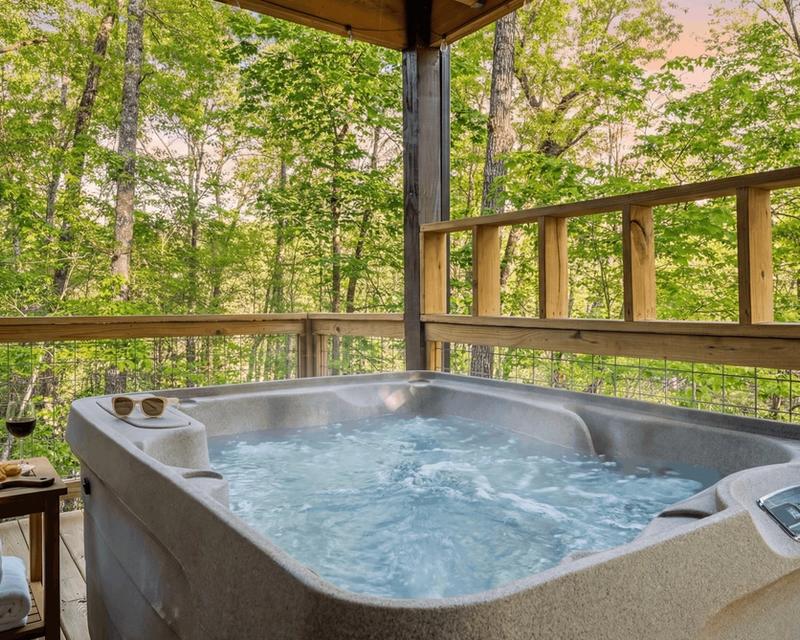
Mountain Majesty
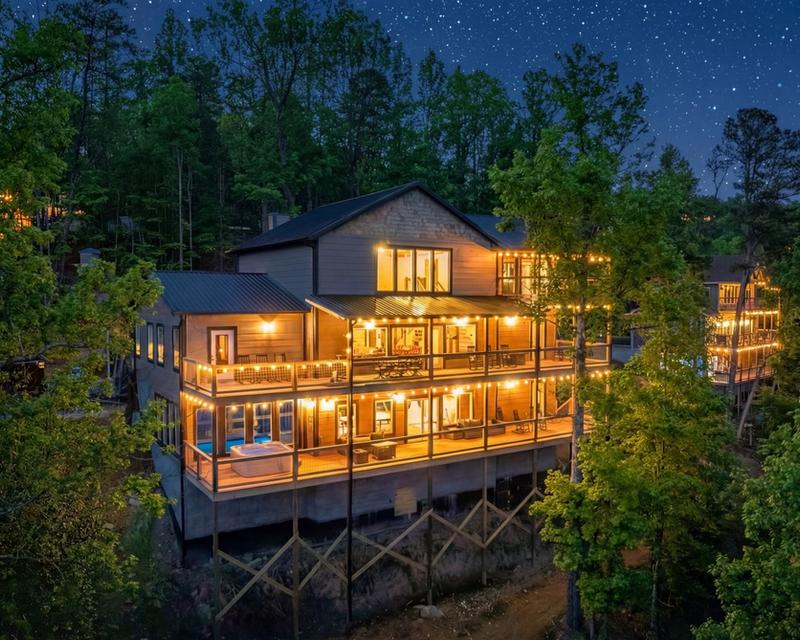
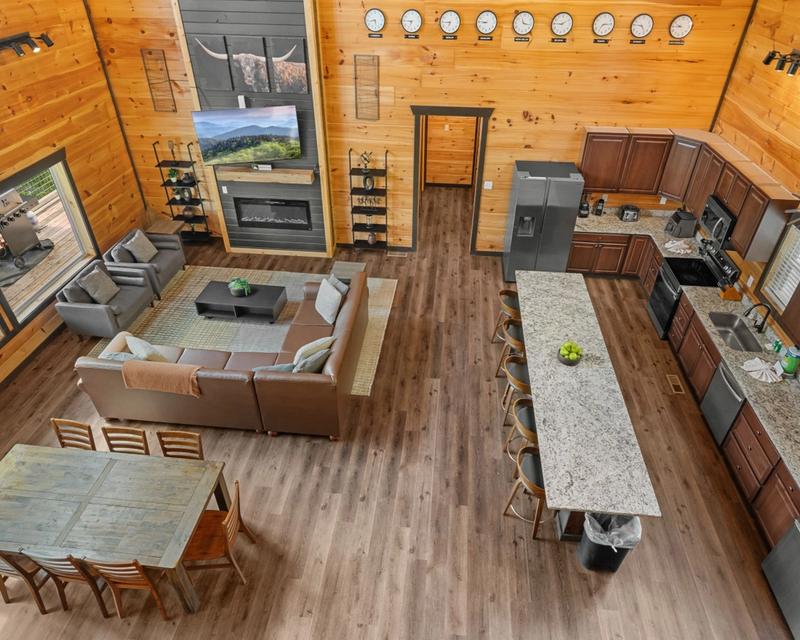
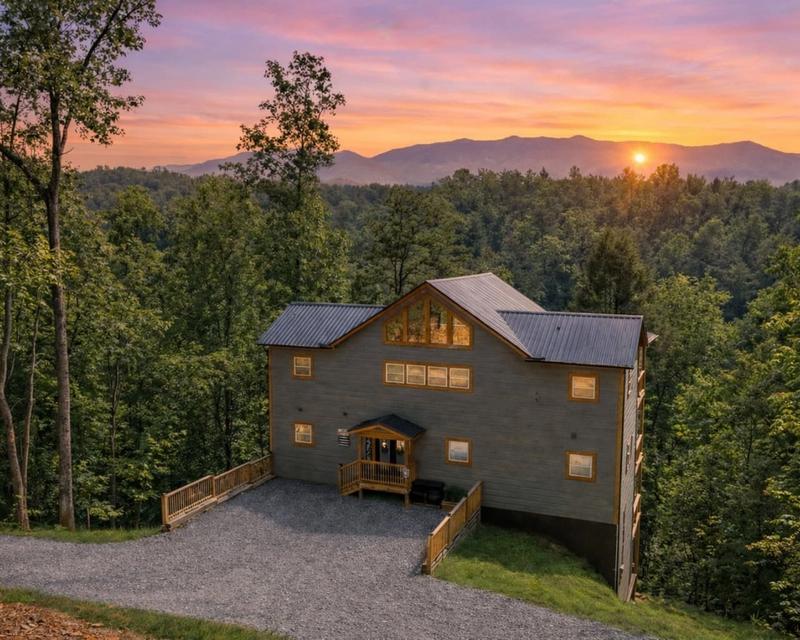
12 Guests5 Bedrooms9 Bath
- Swimming pool
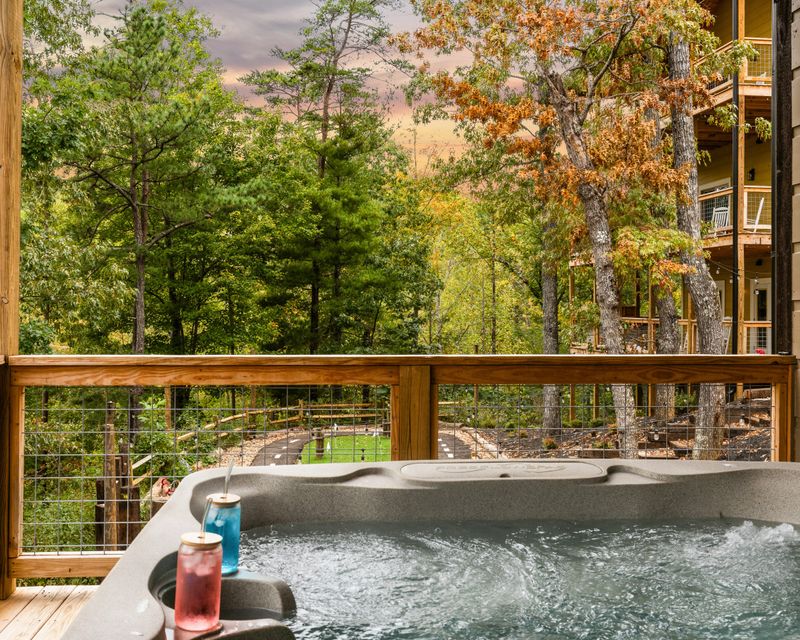
- Hot tub
- Game room
February 13, 2026
The Great Smoky Mountains are known for having one of the highest concentrations of waterfalls in the eastern United States. This is largely due to the park’s elevation changes, dense forest coverage, and consistent rainfall throughout the year. Water flows naturally through mountain streams, creating waterfalls of varying sizes, from small cascades to large, dramatic drops. Because of this terrain, waterfalls are spread throughout the park rather than concentrated in one area, making them a defining feature of the Smoky Mountain landscape.
In the Smokies, most waterfalls are not visible from the road. Instead, they are located along established trails that follow streams, rivers, and mountain slopes. As a result, hiking is not the focus of the experience, but rather the way visitors access the waterfalls. The distance, elevation, and trail conditions determine how easy or challenging it is to reach each waterfall. Including this information helps visitors understand what to expect before they go, especially when planning a trip with limited time or varying ability levels.
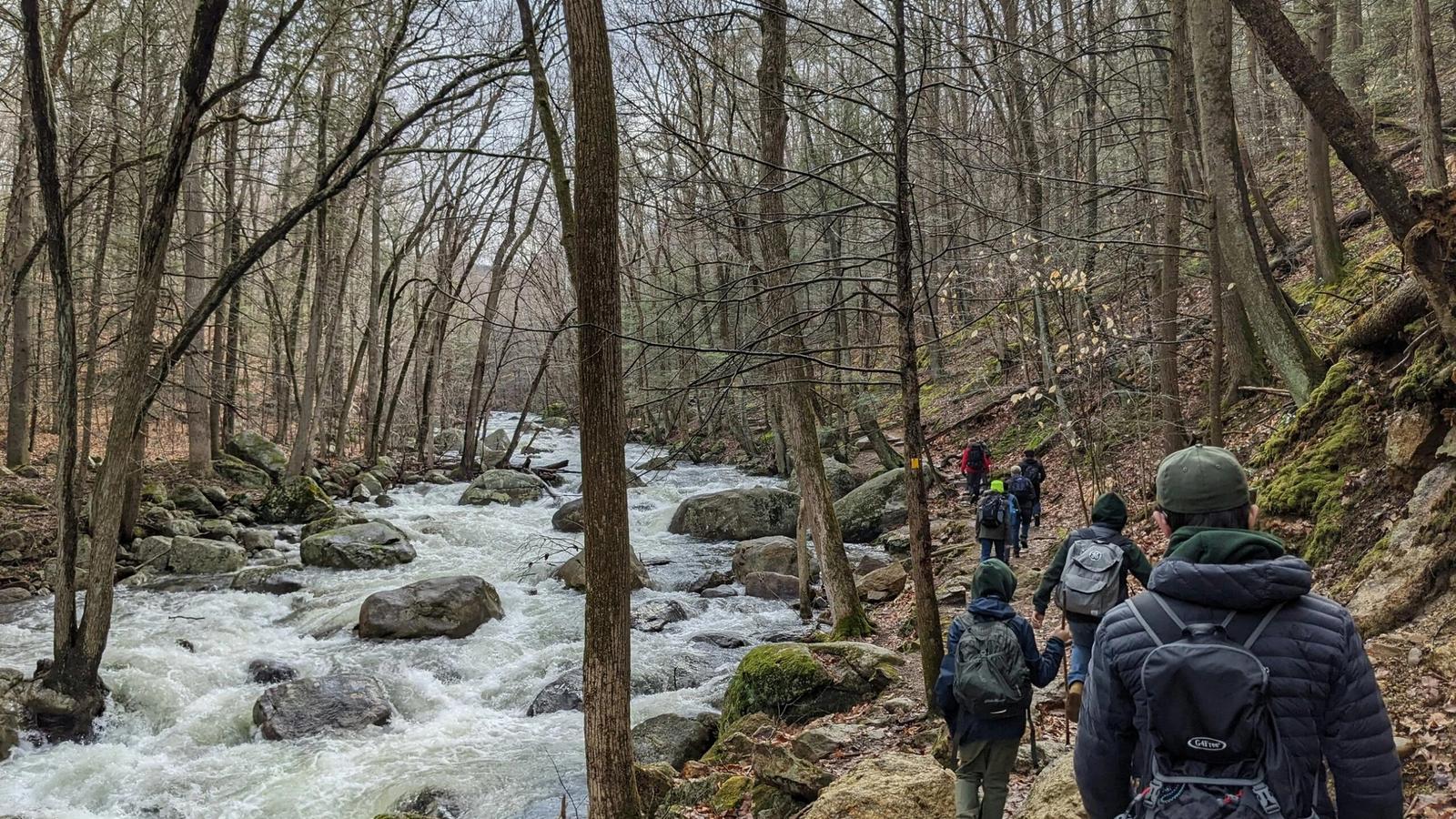
Waterfall hikes also allow visitors to experience more of the park beyond the final destination. Trails often pass through wooded areas, cross bridges, and follow flowing water, offering scenic views throughout the walk. This makes the journey to the waterfall just as important as the waterfall itself, especially for those looking to spend time outdoors without committing to a full-day hike.
Another reason waterfall hikes are so popular in the Smoky Mountains is that they can be enjoyed year-round. While water flow changes depending on rainfall and season, most waterfalls remain accessible throughout the year. Some visitors prefer periods of heavier flow, while others enjoy quieter trails or winter scenery. Because conditions vary, understanding the trail and access points becomes even more important.
This guide is designed to help visitors choose waterfalls based on how they want to experience them. Some waterfalls require only a short walk and are suitable for families or casual visitors, while others involve longer or more challenging trails that appeal to experienced hikers. By organizing waterfalls by access level and difficulty, this guide makes it easier to select the right waterfall for your schedule, comfort level, and overall trip plans, while keeping the focus on the waterfalls themselves.
Waterfalls in the Smoky Mountains are located across a wide range of terrain, from relatively flat paths to trails with steady elevation gain. Even shorter waterfall hikes can include uphill sections, so distance alone does not always reflect difficulty. Checking elevation and trail length in advance helps set realistic expectations.
Trail surfaces vary depending on the location. Some waterfall trails are paved or well-maintained, while others include dirt paths, rocks, and exposed roots. Near waterfalls, footing can be uneven or slippery due to moisture, especially after rainfall.
Waterfall appearance changes throughout the year based on rainfall and weather patterns. Some waterfalls flow more heavily during wetter periods, while others may appear lighter during drier conditions. This does not affect access but can influence trail conditions and viewing areas.
When visiting waterfalls, basic safety awareness is important. Wet rocks, fast-moving water, and narrow paths are common near falls. Staying on marked trails and designated viewing areas helps ensure a safer visit.
Gatlinburg offers access to a wide range of waterfall hikes, from short walks on well-maintained paths to longer trails with more elevation and uneven terrain. Some waterfalls can be reached in under a mile, while others require a steady hike through forested areas and along streams. Difficulty varies by distance, elevation change, and trail surface, so knowing what to expect helps visitors choose waterfalls that fit their time, ability level, and overall plans.
Laurel Falls is one of the most popular waterfalls near Gatlinburg, known for its distinctive two-tier drop and relatively short, well-established trail. When open, it’s often recommended for visitors looking for a straightforward waterfall hike with a strong visual payoff.
Location
Trail Length & Difficulty
Waterfall Details
Trail Features
Important Rules & Notes
Important Update
As of January 6, 2025, the Laurel Falls Trail is closed from the trailhead on Fighting Creek Gap Road to the junction with Little Greenbrier and Cove Mountain trails for approximately 18 months due to rehabilitation work. Check current park updates before planning a visit.
Grotto Falls is one of the most unique waterfalls near Gatlinburg and the only waterfall in the Smoky Mountains where visitors can walk behind the cascading water. Located just outside downtown Gatlinburg along the Roaring Fork Motor Nature Trail, this waterfall is a popular stop for those looking for a scenic hike with a memorable payoff.
Location
Trail Length & Difficulty
Waterfall Details
Trail Features
Important Rules & Notes
Baskins Creek Falls is a quieter, lesser-known waterfall near Gatlinburg that appeals to visitors looking for a more secluded experience. Despite being close to popular trails like Grotto Falls and Rainbow Falls, this waterfall sees far fewer hikers. The waterfall drops about 40 feet in two tiers and is reached via an unmaintained spur trail off the main Baskins Creek Trail.
Location
Trail Length & Difficulty
Waterfall Details
Trail Features
Important Rules & Notes
Abrams Falls is one of the most powerful waterfalls in the Smoky Mountains. While the waterfall itself is only about 20 feet tall, the volume and speed of the water make it one of the most dramatic and well-known falls in the park. The hike follows Abrams Creek through forested terrain before opening up to the wide, fast-moving cascade and deep pool below.
Location
Trail Length & Difficulty
Waterfall Details
Trail Features
Important Rules & Safety Notes
Rainbow Falls is one of the most well-known waterfalls in the Smoky Mountains, recognized for its height and the mist that often creates rainbows on sunny afternoons. With an 80-foot single drop, it is the tallest named waterfall in the park and a popular destination for hikers looking for a more demanding trail with a dramatic payoff.
Location
Trail Length & Difficulty
Waterfall Details
Trail Features
Important Rules & Safety Notes
Important Update:
The Ramsey Cascades Trail has been rehabilitated and is now open.
Ramsey Cascades is the tallest waterfall accessible by trail in the Smoky Mountains and one of the most impressive waterfall hikes in the park. Water drops roughly 100 feet over layered rock outcroppings, creating a wide, cascading flow that collects in a small pool at the base. The hike to the waterfall is long and demanding, but it rewards visitors with remote scenery and a quieter experience compared to more heavily trafficked trails.
Location
Trail Length & Difficulty
Waterfall Details
Trail Features
Important Rules & Notes
Not all waterfalls in the Smoky Mountains require a hike. Some can be viewed directly from the road or reached with only a very short walk, making them a good option for visitors with limited time, mobility concerns, or those looking for a scenic stop without committing to a trail.
Meigs Falls is one of the most accessible waterfalls in the Smoky Mountains and can be viewed directly from the road. Tucked into the forest along Little River Road, this waterfall flows down into a stream below and is best enjoyed as a scenic roadside stop rather than a hiking destination.
Location
Access
Waterfall Details
Viewing Notes
Important Safety Notes
How to Get There
The Place of a Thousand Drips is a seasonal roadside waterfall known for its cascading flow across a wide rock face. Rather than a single drop, this waterfall appears as dozens of small streams that come to life after periods of heavy rain, making it one of the more visually dynamic waterfalls in the park when conditions are right.
Location
Access
Waterfall Details
Viewing Notes
Important Safety Notes
How to Get There
The Sinks is a powerful roadside waterfall known for its fast-moving water and jagged rock formations. While it is not a tall waterfall, the force of the river rushing through a narrow bend makes it one of the most striking and dangerous waterfalls in the Smoky Mountains. It is best viewed as a scenic stop rather than a place to explore up close.
Location
Access
Waterfall Details
History
Viewing Notes
Important Safety Notes
How to Get There
Waterfall hikes in the Smoky Mountains come with unique conditions that differ from standard trail hikes. Changing terrain, wet surfaces, fast-moving water, and weather shifts can all affect the experience. Before heading out to any waterfall, it’s important to understand what to expect and how to prepare so you can hike safely and responsibly.
Waterfall hikes often involve wet ground, uneven footing, and limited cell service. Carrying basic essentials helps reduce risk, especially on longer or less maintained trails.
Recommended essentials include:
Waterfall trails are often busy, narrow, and slippery, especially near viewing areas. Following basic trail etiquette helps protect both visitors and the environment.
Waterfalls can be far more dangerous than they appear. Fast currents, slick rocks, and sudden drop-offs are common in the Smokies.
Wildfire risk is a serious concern in the Smoky Mountains, especially during dry conditions. Visitors play a key role in protecting the park.
Staying close to Smoky Mountain waterfall trails makes it easier to plan early starts, reduce drive time, and visit multiple waterfalls in a single day. Cabins near Gatlinburg and key park entrances offer convenient access to both hike-in and roadside waterfalls, making them a practical base for exploring the area.